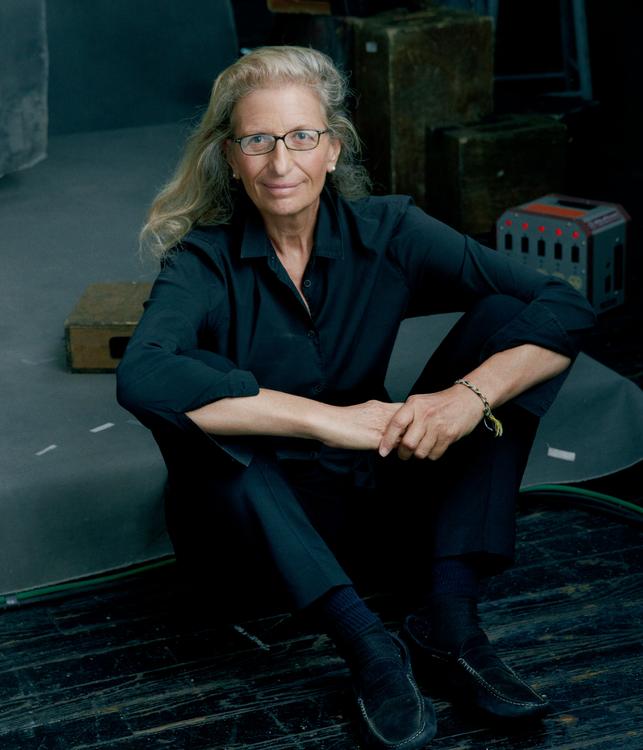
“Annie Leibovitz, original name Anna-Lou Leibovitz, (born October 2, 1949, Waterbury, Connecticut, U.S.), American photographer renowned for her dramatic, quirky, and iconic portraits of a great variety of celebrities.”- https://www.britannica.com/biography/Annie-Leibovitz
Lebovitz wanted to become a painter and after a night photography class she was attracter to the camera and after a while she started with commercial world already in her student era with rolling stones and many other famous stars. Later she used to produce the best selling work and work herself to the top.
Lebovitz explained that she is never tired of going to work she loves to take photographs and adventures. She is constantly working with no stop which makes her so amazing with what she does. She explains her photobooks and projects as something to show of what she has been doing which doesn’t mean she has finished the work.
Personally looking at her other work it is so surprising how opened she is about her work and how much she shows from her personal life which nobody would actually do for example photographs of her labour, her father’s death etc. where her work and books remind me of family photo albums but I guess that just represents Leibovitz passion for her work and character. Then her work shifted and she started to work in studios, celebrities Hollywood stars , comedians, presidents queen etc. She created a lot of portfolios for Hollywood which were directed by stars with her. She explained that when you are working with people you have to understand how these people want to be presented and she said that “these are planned photo sessions so usually subject is engaged but certainly you wouldn’t do what the subject doesn’t want” which should be pretty obvious to every person no matter if it is a photographer or not. It is important for her to create photographs that last for a time and become a part of history same as the photographs she is looking up to from the history but believes the body of work over all tied together lasts longer as individual photograph.
In the book there is a whole part of artists in their studios which caught my eye as that is ties with our brief and obviously Leibovitz has done it in whole different level with all these famous people but I founded it very inspiring which brought me many ideas.
I found it so interesting that Leibovitz says she is not interested in technical part of photography as the context in her portraits which is mind-blowing as the quality and lighting is always on point but she has been doing this for years so of course she knows technically how to reach certain quality but she isn’t trying to be a technical expert. Likes to mainly focus on content, the composition and over all the photograph. She admitted that she’s not very good studio photographer as she feels better working in a space she can observe and that means something which also helps her with the meaning she is trying to incorporate into the portrait. It seems like she is free and open minded and moves on quickly as she said that when ever digital came up it was a time to get started and move on as that was the future with which I would have problem. But she explains that she believes that with digital there is more freedom with adjusting an playing but also brings a lot of limitation of going out of focus very easily. She explained that we know that there are adjustments done on photograph, but we have to focus on if it works or not which I agree with Because mostly portraits are staged and I don’t understand why people attack photographers for removing or adjusting photographs so it is more aesthetically pleasing if it is not a documentary anyway. She usually has contact sheets on digital and she picks them and edit them after. Some artist have their own style witch they lean through commercial work to artistic work where I feel Lebovitz work is so different in every way that sometimes I wouldn’t believe one person has created it because on one side she presents documentary raw photographs standing decide the most staged and glossy work which is mind blowing how one person can do. She explains “everything depends on the subject, I’ve been doing this for so long that it’s wonderful to have vocabulary of different ways to work ” sometimes she works on her own and sometimes in a big set so everything really depends on the situation but then she explained that she doesn’t dislike big sets but she likes to work on her own with the subject as well if possible. She says that all the work is about the light, sometimes it is the inspiration of what she will and how she will photograph taking in mind that light controls the way photograph will look. Leibovitz also mentioned that there is no such thing as natural light; she always uses a small strobe to enhance the light so photographs are sharp which she calls natural light.
In her working process she said that she always wants to go back and re-photograph the scene for better results and most of the time she actually goes and does that as “it is a process that sometimes takes a while”. Sometimes that she returns several times it helps her to build her foundation which allows her to create all this amazing body of work.
Lecture talk witch Annie Lebovitz about her books, work, work ethic and inspirations. https://www.youtube.com/watch?v=6L-_88YBjrY
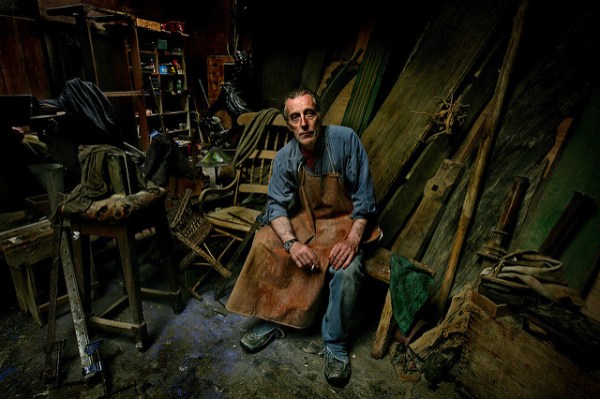
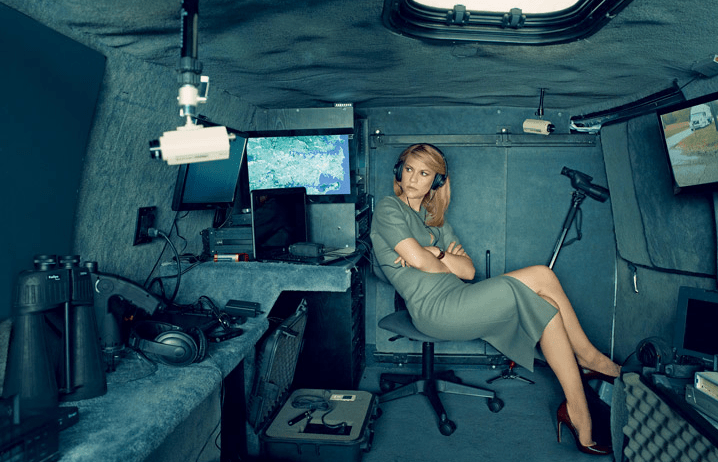
Looking through Lebovitz work I can see when keeps very similar aesthetics/ style through her photographs even when set up and people are very different, I see sort of a cinematic style also very glossy and sharp. She plays around with angles but the work I have been looking at the most was from book called “Annie Lebovitz Portrait 2005-2016” which has most of her recent work on and work that is closest to our brief of photographing artists in their environment which she has done with many actors, celebrities and presidents which was a big inspiration.
 Site Title